Kathmandu Valley is one of the most extraordinary concentrations of history, art and living culture anywhere on earth. Within a single valley – less than 30km wide – you'll find seven UNESCO World Heritage Sites: the Durbar Squares of Kathmandu, Patan and Bhaktapur, the great Buddhist stupas of Swayambhunath and Boudhanath, and the sacred Hindu temples of Pashupatinath and Changu Narayan. Each is a masterpiece. Together, they make the Kathmandu Valley Nepal's single most compelling destination.
What makes Kathmandu remarkable beyond its monuments is that the culture is still alive. The morning puja at Pashupatinath draws hundreds of Hindu devotees; butter lamps flicker around Boudhanath as monks circumambulate the stupa at dusk; craftsmen still carve wood and beat metal in the courtyards of Bhaktapur's Pottery Square. With a knowledgeable private guide, you move through living history rather than a frozen museum.
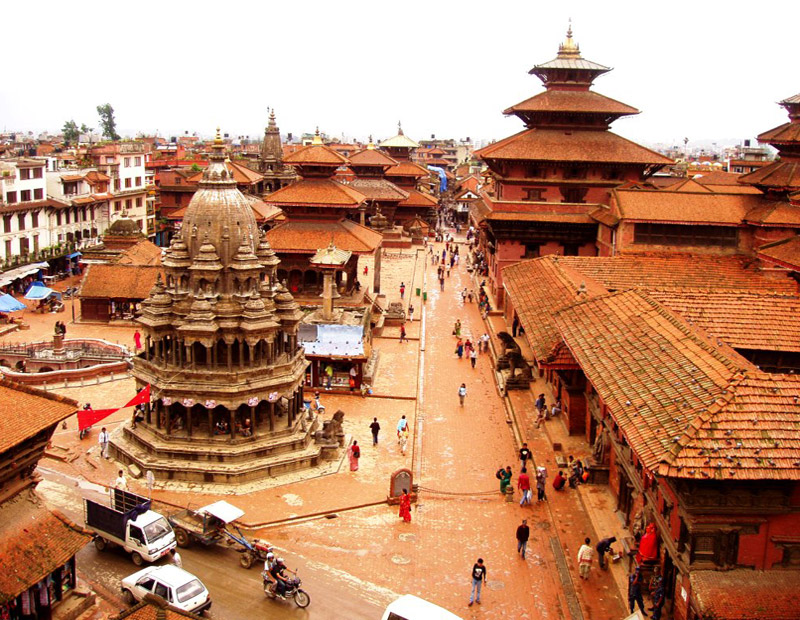
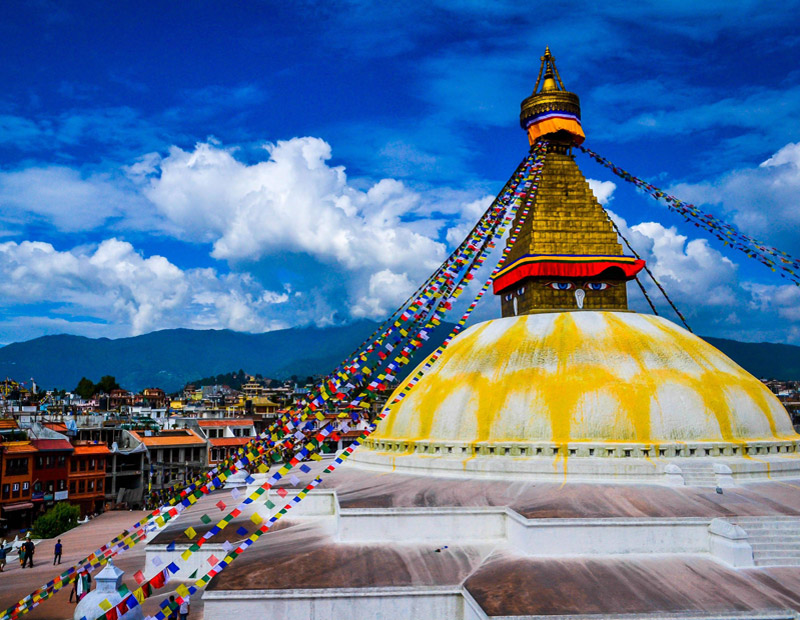
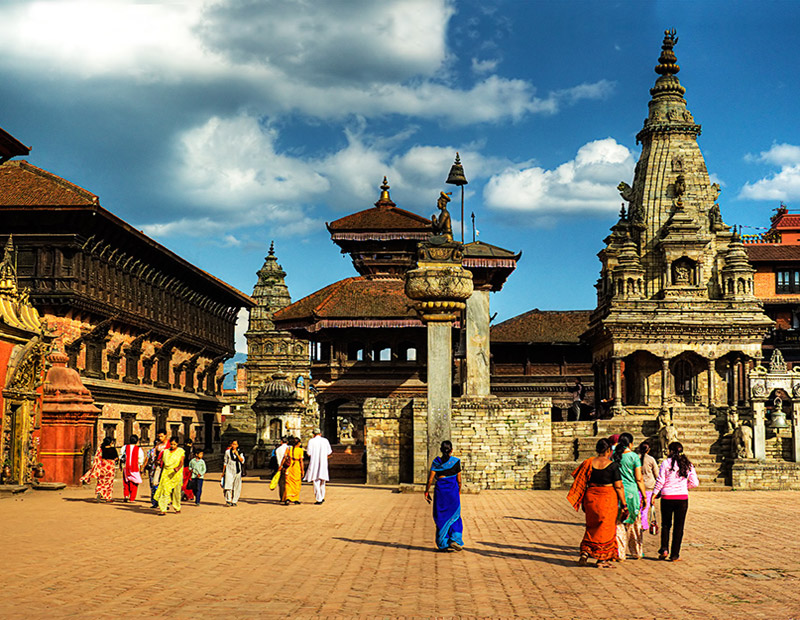
Hanuman Dhoka Durbar Square in old Kathmandu is the ancient royal heart of the city, with elaborately carved pagoda temples and the historic palace of the Malla and Shah kings. Patan Durbar Square, just across the Bagmati River in Lalitpur, is considered the finest example of Newari palace architecture in Nepal. Bhaktapur – 12km east of Kathmandu – is the most completely preserved of the three medieval cities, with the towering Nyatapola Temple, the 55-Window Palace, the Golden Gate and the living craft traditions of its back lanes. Pashupatinath Temple on the sacred Bagmati River is Nepal's holiest Hindu site. Swayambhunath (the Monkey Temple) on its hilltop west of the city dates to at least the 5th century AD. Boudhanath is one of the largest stupas in the world and the centre of Tibetan Buddhism in Nepal. Changu Narayan, the oldest temple in the valley (4th century AD), contains the finest collection of ancient stone sculpture in the country.
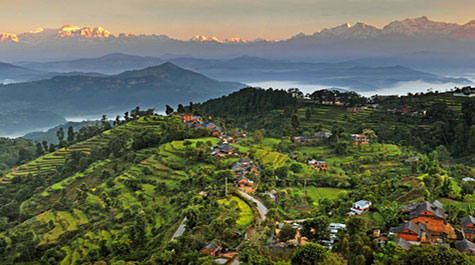
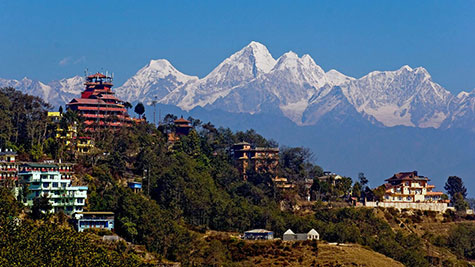
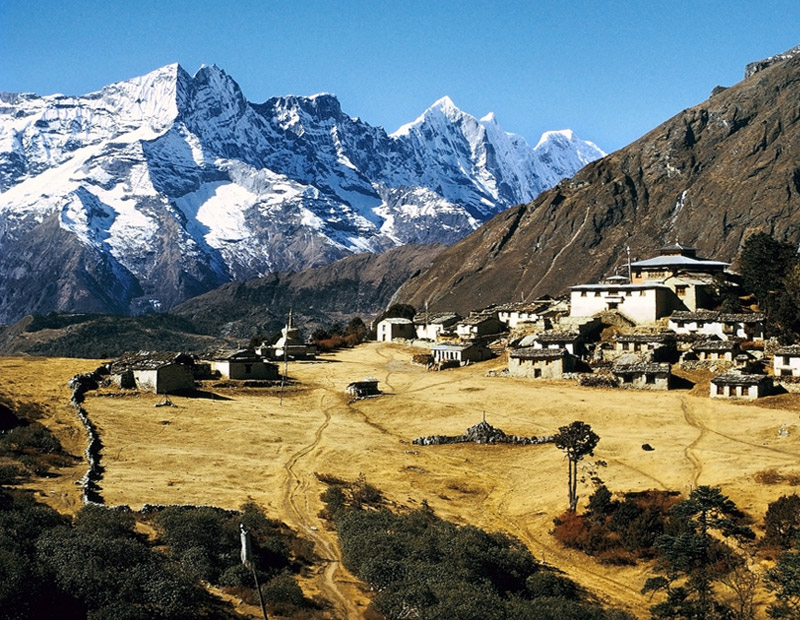
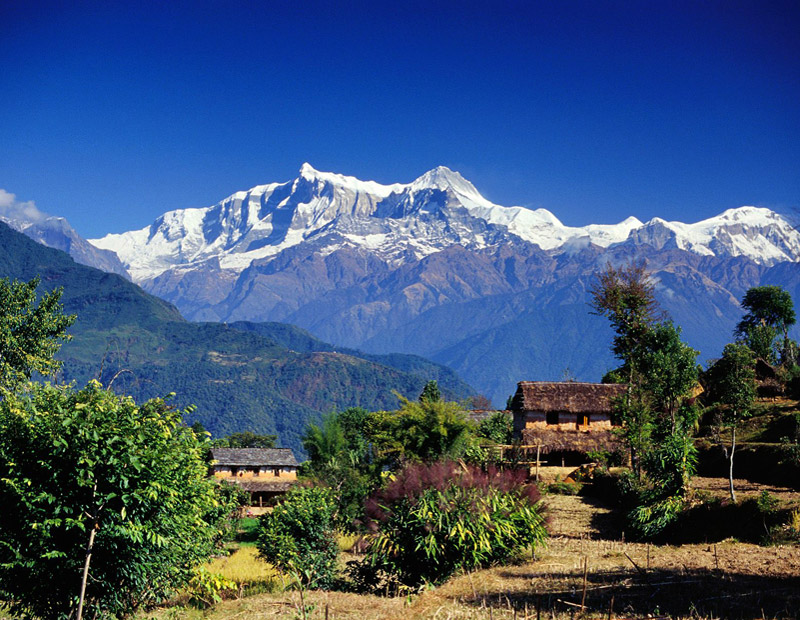
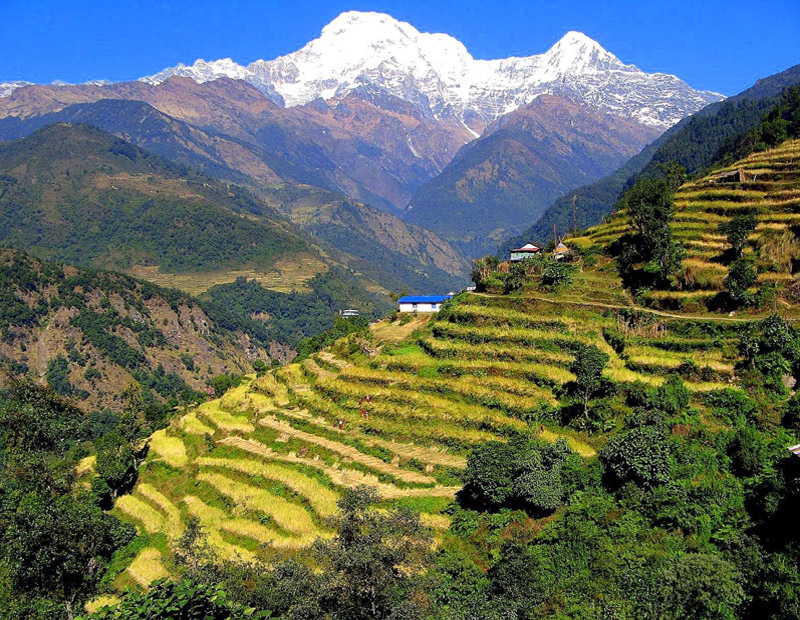
Kathmandu Valley is also the gateway to a ring of hill stations with extraordinary Himalayan views. Nagarkot (2,175m) and Dhulikhel (1,550m) both sit within an hour's drive and deliver panoramic mountain panoramas – including, on very clear days, the distant summit of Everest. Both are perfect for overnight stays and sunrise hikes. The Everest mountain flight – departing Tribhuvan Airport each morning – brings you alongside the Himalayan chain at close range in a comfortable pressurised aircraft: a one-hour experience that reframes the entire landscape you've been exploring on the ground.
October and November are the finest months: post-monsoon clarity, ideal temperatures (20–25°C) and excellent mountain visibility. March to May is warm with spring flowers on the surrounding hills and good mountain views before pre-monsoon haze builds. December and January are cool and clear with exceptional mountain visibility and fewer tourists. The monsoon (June–September) brings rain most afternoons but the valley stays verdant and atmospheric; mountain views are limited.
Three days covers all seven UNESCO sites at a comfortable pace. Four to five days adds a night at Nagarkot for the sunrise, a full morning in Patan's craft lanes, and time to explore Thamel's markets and restaurants without rushing. We customise all Kathmandu Valley programs around your available time and specific interests.
Not sure what you desire yet? Nepal offers a variety of possibilities throughout the country. We offer tailor-made travel programs for you and your travel group. Create your own exclusive trip, step-by-step with us. We plan, you relax. We design, you do so if you already have specific wishes, let us know.
Getaway Nepal Adventure (P.) Ltd.
Thamel Kathmandu, Nepal
Tel: +977 98510 38 908




 TripAdvisor